
Prof. Rong Zhang
Nishinippon Institute of Technology, Japan
The Digital Frontier: How Mobile Innovation is Reshaping English Learning for Chinese Learners
Biography
Dr. Rong Zhang is a full professor at the Nishinippon Institute of Technology in Fukuoka, Japan. She holds a Ph.D. in Educational Engineering from the Graduate School of Information, Production, and Systems at Waseda University. With over 25 years of experience teaching English across six universities, she regularly chairs international conferences and serves as the Editor-in-Chief for the Journal of Management and Training for Industries (JMTI). Her research interests encompass e-learning, higher education, intercultural communication, and globalization.
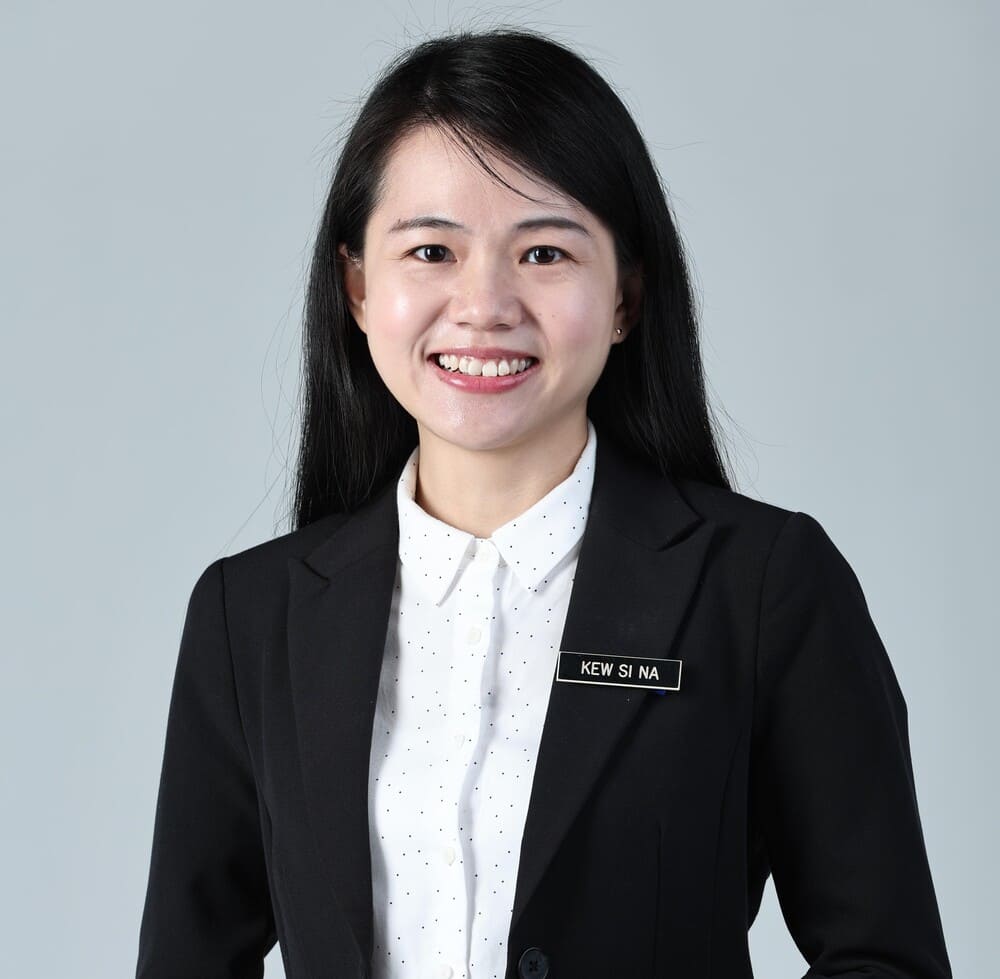
Assoc. Prof. Kew Si Na
Universiti Teknologi Malaysia, Malaysia
TBA
Biography
Dr. Kew Si Na is an Associate Professor at the Language Academy, Faculty of Social Sciences and Humanities (FSSH), Universiti Teknologi Malaysia (UTM). She completed her postdoctoral program at the National Institute of Education (NIE), Nanyang Technological University (NTU), Singapore. She is the former coordinator of the Ph.D. and Master Full Research TESL Programs at FSSH, UTM. Her research interests include educational technology, online teaching and learning, learning analytics (LA), teaching English as a second language (TESL), technology-enhanced language learning (TELL), and computer-assisted language learning (CALL). She is actively involved in research and publication, and is a member of the Technology and Language Education (TLE) research group. Dr. Kew serves as an editor for the Innovative Teaching and Learning Journal and as a reviewer for various international journals. She has published numerous articles in peer-reviewed journals. Most recently, she was honored with the Young Researchers Award 2024.
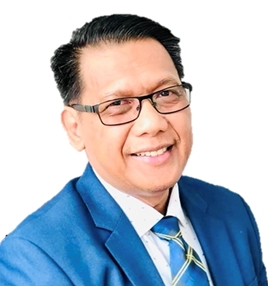
Dr. Richard DLC Gonzales
University of Santo Tomas, Philippines
Assessment Methods in Blended Learning Environments: Practices, Challenges, and Opportunities in Philippine Graduate Education
The growing use of blended learning in Philippine graduate education has reshaped assessment practices, prompting institutions to uphold academic standards while responding to demands for flexibility and technology-enhanced instruction. This study examined the assessment methods used in blended learning environments across selected graduate schools in the Philippines, with particular attention to their perceived effectiveness and implementation challenges. A mixed-methods approach was employed, drawing on survey responses from graduate students and qualitative data from open-ended reflections and interviews. Quantitative data were analyzed using descriptive statistics, while qualitative responses were examined through thematic analysis. Findings revealed that performance-based assessments, research projects, and formative assessment strategies were viewed as most effective in fostering critical thinking, independent learning, and research skills. At the same time, concerns related to academic integrity, unequal access to technology, assessment validity, and faculty readiness continue to affect implementation. The findings underscore the importance of strengthening assessment frameworks, investing in faculty capability building, and adopting purposeful technology integration to enhance the quality of blended graduate education.
Biography
Dr. Richard DLC Gonzales is the recipient of the 2026 PRC Outstanding Professional of the Year Award in Psychometrics in the Philippines. He is the Chief Executive Advisor of Inno-change International Consultants, Inc. and a Professorial Lecturer at the University of Santo Tomas Graduate School and Cagayan State University – Sanchez Mira Campus. His expertise spans psychometrics, educational assessment, blended and online learning, research, monitoring and evaluation, with extensive experience supporting international and multilateral development initiatives. He holds a Ph.D. in Education (Research and Evaluation), an M.S. in Educational Measurement and Evaluation, and a Diploma in Project Management from the University of California, Irvine.
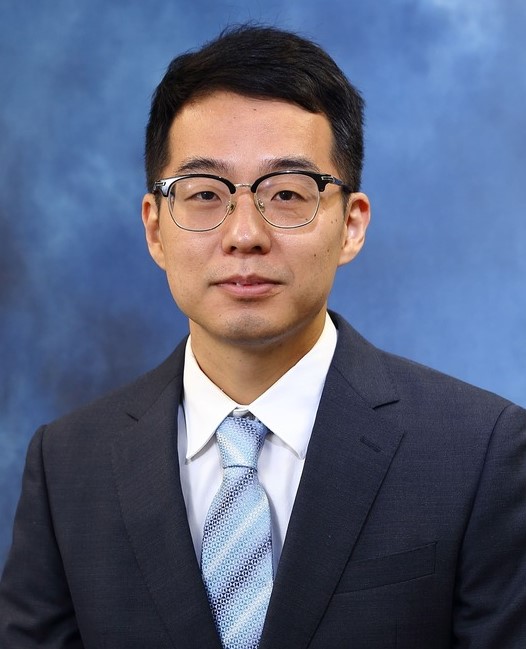
Dr. Dongkun Han
The Chinese University of Hong Kong, Hong Kong, China
TBA
TBA
Biography
Dr. Dongkun Han is a Senior Lecturer in the Department of Mechanical and Automation Engineering at The Chinese University of Hong Kong. He earned his Ph.D. from The University of Hong Kong and held research and visiting appointments at the Technical University of Munich, the University of Michigan, Stanford University, and the German Institute of Science and Technology in Singapore. His interdisciplinary scholarship advances AI-enhanced mathematics and general education, e-learning, experiential robotics education, and professional development for engineering educators. Bridging educational research with implementation, he develops scalable innovations that strengthen engagement, AI literacy, and hands-on engineering experience. He also co-founded the CUHK Smart Garden, which promotes sustainability education and the Sustainable Development Goals through renewable energy, recycling, and experiential learning. A contributor to the international academic community, Dr. Han has undertaken leadership roles in conferences and education societies. His learner-centred teaching has earned CUHK's University Education Award, the Vice-Chancellor's Exemplary Teaching Award, and multiple Faculty and General Education teaching awards.
Prof. Anabelie V. Valdez
Mindanao State University, Philippines
TBA
TBA
Biography
Prof. Anabelie V. Valdez, Ph.D. is a Professor VI at the
College of Agriculture, Mindanao State University–Main
Campus, Marawi City, Philippines. She holds doctoral degrees
in Science Education (Biology) and Educational Management,
as well as master's degrees in Animal Science, Crop Science,
Teaching–General Science, and a bachelor's degree in
Secondary Education major in Biology. She was a DOST
scholar, Class Valedictorian, and Best Dissertation awardee
during her doctoral studies in Science Education.
Her expertise includes science and agricultural education,
research methodology, curriculum and instructional
development, animal and crop science, educational
management, and data analysis. She has published in
international peer-reviewed and Scopus-indexed journals and
has presented research in international conferences.
Prof. Valdez serves as editorial board member and peer
reviewer for international journals. She has also served as
a keynote/plenary speaker, trainer, research mentor, thesis
and dissertation adviser, and academic administrator. Her
contributions have been recognized through various research
and academic awards.